The Link Between Jaw Pain and Wisdom Teeth Removal in Oxnard CA
Jaw pain has a way of taking over the day. It can start as a dull ache near the back molars, then spread toward the ear, temple, or neck. Some people notice it most in the morning and assume they slept wrong. Others blame stress, clenching, sinus pressure, or a bad bite. Those are all possibilities. Still, one cause gets missed more often than it should, especially in late teens and young adults: impacted or poorly positioned wisdom teeth.
In a place like Oxnard, where patients range from high school seniors to working adults who have put off treatment for years, this pattern shows up often. Someone comes in saying their jaw feels tight on one side, chewing feels odd, or opening wide causes a pinch near the hinge. They may not even report tooth pain. Then imaging reveals a lower wisdom tooth trapped under the gums and angled into the second molar, or a partially erupted upper wisdom tooth irritating the tissue behind the jaw. Once you see enough of these cases, the connection becomes hard to ignore.
That does not mean every sore jaw leads straight to extraction. Jaw pain is more complicated than that. The point is that wisdom teeth can contribute to jaw discomfort in subtle, indirect ways, and those signs are easy to overlook until the irritation becomes persistent.
Why wisdom teeth often trigger jaw discomfort
Wisdom teeth, also called third molars, are the last adult teeth to develop and erupt. They usually appear in the late teens or early twenties, though the timeline varies. By the time they try to come in, there is often limited room at the back of the mouth. Some erupt normally. Many do not.
When a wisdom tooth lacks enough space, it may remain trapped under bone, push into a neighboring tooth, or partially break https://marcogbot372.evercolumn.com/posts/how-wisdom-teeth-removal-in-oxnard-ca-can-relieve-oral-pressure through the gum and stall there. Any of those situations can create a source of inflammation. In the lower jaw especially, that inflammation tends to radiate. Patients may describe pressure near the angle of the jaw, soreness when biting, tenderness below the ear, or a vague sense that one side of the face feels “off.”
Partially erupted wisdom teeth are particularly troublesome. The flap of gum tissue over the tooth can trap food and bacteria, leading to an infection known as pericoronitis. That infection may not stay confined to the gum behind the molar. It can make the surrounding muscles tense and limit how wide the mouth opens. Some people think they have a temporomandibular joint issue when the real source is an irritated wisdom tooth behind the last visible molar.
Impacted lower wisdom teeth can also create deep pressure that is hard to localize. A patient may point to the jaw joint, but the problem sits farther back in the mandible. In practice, pain maps poorly in this area. The nerves overlap, and the body is not great at telling the difference between back molar pain, ear pain, and joint pain.
The many ways jaw pain presents when wisdom teeth are involved
One reason these cases are misread is that wisdom tooth related pain does not always behave like a classic toothache. It may come and go. It may flare during chewing and then fade. It may show up as stiffness rather than sharp pain.
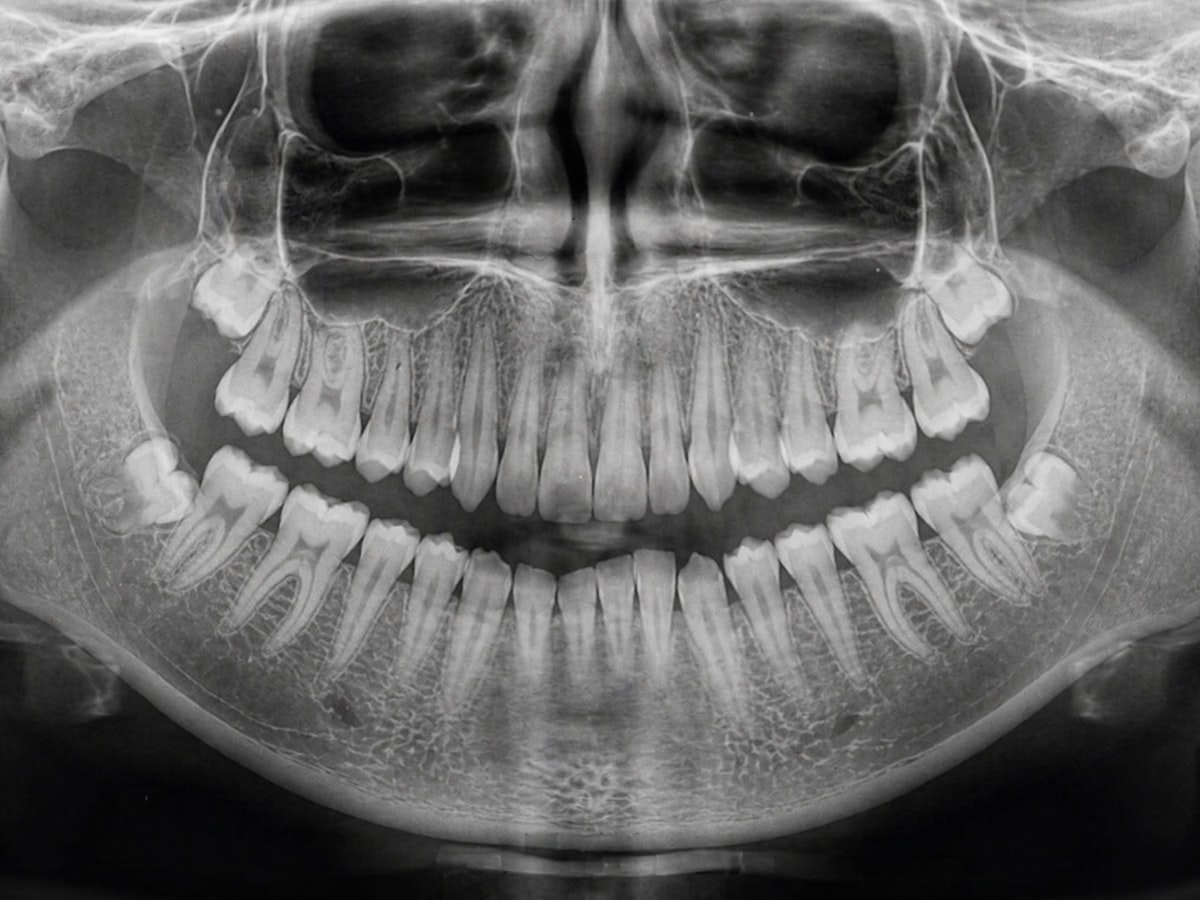
A fairly common scenario looks like this: a patient feels intermittent soreness near the back of the jaw for several weeks. They notice discomfort after eating tougher foods, and opening wide for a yawn produces a pulling sensation. There is no obvious cavity, no cracked filling, and no front-and-center swelling. Then an exam and panoramic X-ray show a lower wisdom tooth tilted forward and pressing against the second molar. Once the source is identified, the pattern makes sense.
Another scenario involves chronic mild inflammation. A person with partially erupted wisdom teeth keeps the area reasonably clean but cannot fully brush or floss beneath the gum flap. The tissue stays irritated. Over time, the nearby chewing muscles react. The jaw feels tired, especially at the end of the day. This can coexist with clenching, which muddies the picture further.
These are some of the signs that make clinicians think about wisdom teeth when evaluating jaw pain:
- Pain or pressure concentrated near the back corners of the mouth
- Swelling, redness, or tenderness around partially erupted molars
- Difficulty opening fully, especially during flare-ups
- Referred discomfort toward the ear or temple
- Bad taste or odor from the back of the mouth, suggesting trapped debris or infection
None of these signs prove that wisdom teeth are the cause, but together they raise suspicion.
When jaw pain is not really from the jaw joint
Patients often use “jaw pain” as a catch-all term. Sometimes they mean the joint in front of the ear. Sometimes they mean the muscles along the cheek or the hinge near the temple. Sometimes they mean the lower back teeth. Distinguishing among those areas matters.
True temporomandibular joint disorders, often shortened to TMJ or TMD, have their own set of patterns. Clicking, locking, morning soreness from clenching, headache, and muscle tenderness all fit. Yet wisdom tooth problems can mimic portions of that picture. An inflamed lower wisdom tooth can make the surrounding muscles guard. That guarding may feel like joint tightness. A patient may stop opening normally because it hurts, and that limited movement can be interpreted as a joint issue.
This is where a careful clinical exam earns its keep. Dentists and oral surgeons look at mouth opening, muscle tenderness, gum inflammation, bite contact, and the exact location of pain. They also use imaging to determine whether the wisdom teeth are erupting normally, impacted in bone, or pressing against nearby structures.
It is not rare to find overlap. A patient may grind at night and also have a problematic third molar. Removing the wisdom tooth will not cure stress-related clenching, but it may remove one major trigger for inflammation and reduce the overall burden on the jaw.
The role of imaging in finding the real cause
A basic visual exam can miss a lot when it comes to wisdom teeth. If the teeth are fully buried, you may not see anything in the mouth that explains the symptoms. That is why panoramic imaging is so useful. It provides a broad view of the upper and lower jaws, the position of each wisdom tooth, and the relationship to neighboring roots and major nerves.
In some situations, a three-dimensional scan is helpful, especially when the lower wisdom teeth sit close to the inferior alveolar nerve. That kind of imaging can clarify whether a difficult extraction is likely and help the surgeon plan the safest approach.
For jaw pain, imaging also helps rule out other causes. If the wisdom teeth look harmless and the symptoms point more toward a joint or muscle problem, treatment can move in a different direction. That is important because extracting third molars “just in case” is not good practice. The best decisions come from matching the imaging with the exam and the patient’s history.
Why delaying treatment can make the pain pattern worse
A lot of people wait because the pain is manageable. That is understandable. Wisdom tooth symptoms often wax and wane. A sore episode settles down, and the urgency disappears. Then the next flare-up tends to be more disruptive.
With partially erupted teeth, repeated cycles of gum inflammation can gradually become more frequent. Food trapping continues. Bacteria accumulate in a pocket that is hard to clean. The tissue swells, then calms, then swells again. Each episode may leave the area a little more irritated than before. In the lower jaw, this can translate into stiffness, guarded chewing, and a sense that the jaw joint is “acting up.”
There is another issue people do not always consider. An impacted wisdom tooth can damage the second molar in front of it. It may create a hard-to-clean contact point where decay begins, or it can contribute to bone loss along the back of that tooth. At that stage, the problem is no longer just wisdom tooth discomfort. You may be protecting a healthy second molar by addressing the third molar sooner rather than later.
In clinical practice, the hardest recoveries are not always the extractions themselves. They are the cases where a small, manageable wisdom tooth issue was allowed to become an infection, a deep cavity on the neighboring tooth, or a prolonged inflammatory cycle with recurring jaw pain.
What removal can and cannot fix
This is where good counseling matters. Wisdom Teeth Removal Oxnard CA is often the right step when imaging and symptoms line up, but extraction is not magic. It solves problems caused by the wisdom teeth. It does not solve every source of facial pain.
If the third molars are driving the inflammation, patients often notice relief in pressure and back-jaw soreness once healing is underway. The “pinch” behind the molars disappears. Chewing becomes easier. Episodes of gum swelling stop. If the muscles were reacting to a chronic irritant, they may gradually relax as well.
If there is an underlying jaw joint disorder, removal may only solve part of the picture. A patient who also clenches at night may still need a bite guard, physical therapy, habit changes, or stress management. Someone with sinus-related pressure, nerve pain, or arthritis in the joint may need a different treatment path entirely.
The key is realistic expectations. The right surgeon should be willing to say, “Yes, these wisdom teeth are likely contributing,” or “No, I do not think they explain all of this.” That kind of judgment matters more than a hard sell.
What the evaluation usually looks like in Oxnard
In a typical consultation for Wisdom Teeth Removal Oxnard CA, the process starts with symptom review. Where exactly is the pain? When did it begin? Does it worsen with chewing, opening wide, or waking in the morning? Has there been swelling, fever, bad taste, or trouble swallowing? Those details help sort infection from muscle strain, joint irritation, or referred pain.
The oral exam follows. The surgeon checks the gums behind the second molars, looks for partial eruption, and evaluates mouth opening and tenderness. Panoramic imaging is often taken or reviewed. In more complex cases, especially when roots are near the nerve or sinus, a cone beam scan may be recommended.
After that, treatment options are discussed. Sometimes removal is clearly indicated. Sometimes observation is reasonable, especially if the wisdom teeth are fully buried, symptom-free, and not harming adjacent teeth. Age matters too. Younger patients often heal faster and have more predictable extractions because the roots may be less fully formed and the surrounding bone tends to be less dense.
Adults in their thirties, forties, or beyond can still do very well with surgery, but the conversation becomes more nuanced. Healing can be a little slower, impacted teeth may be more firmly set, and existing gum or bone changes around neighboring teeth may influence timing.
The procedure itself and how it affects jaw soreness
A common concern is whether wisdom teeth removal will make jaw pain worse, at least temporarily. The honest answer is yes, it can during the short recovery period. Any oral surgery involves swelling, tenderness, and some muscle stiffness. Keeping the mouth open for the procedure can leave the jaw feeling tired for a few days, especially in patients who already have muscle tension.
That temporary soreness is different from the chronic or recurrent pain caused by problematic wisdom teeth. Postoperative discomfort usually follows a predictable arc. The first several days are the most noticeable. Swelling often peaks around day two or three, then gradually improves. Jaw opening may be limited for a short time, particularly after lower impacted teeth are removed, but this generally gets better with healing and gentle movement.
The surgeon’s technique also matters. Careful tissue handling and clear postoperative instructions can reduce stiffness. Ice in the first day, soft foods, hydration, prescribed or recommended medications, and avoiding smoking all make a difference.
Here are practical points that usually help recovery go more smoothly:
- Take pain medication exactly as directed before discomfort fully ramps up
- Use cold packs during the first 24 hours to help control swelling
- Stick to soft foods and avoid chewing aggressively near the surgical area
- Keep the mouth clean with the rinsing routine your surgeon recommends
- Call promptly if pain sharply worsens after initial improvement, or if swelling, fever, or foul taste develops
That last point matters because not all postoperative pain is routine. Dry socket, infection, or food trapping can prolong discomfort and should be addressed quickly.
The local factor: why access to specialist care matters
Oxnard patients often have several practical concerns beyond the diagnosis itself. They want to know how long they will be out of work or school, whether sedation is available, and how to plan recovery around family responsibilities. Those questions are not peripheral. They shape whether people seek treatment early or keep putting it off.
An experienced oral surgeon or dentist who regularly handles Wisdom Teeth Removal Oxnard CA will usually walk patients through timing, sedation options, expected swelling, and when normal activity can resume. For many healthy younger patients, the first few days require the most adjustment. Some return to schoolwork or lighter duties fairly quickly, while physically demanding jobs may require more downtime. Complex impacted extractions can take longer to settle than straightforward erupted teeth.
The value of local care shows up after surgery too. If someone develops unexpected swelling, persistent jaw stiffness, or concern about healing, being able to return to the office without a long commute is a real advantage. Follow-up is part of good surgical care, not an afterthought.
Cases where removal may be recommended even before severe pain starts
Some patients are surprised to hear that a surgeon recommends removal before major symptoms develop. That recommendation is not based on impatience. It is often based on what the imaging predicts.
If a wisdom tooth is trapped at an angle and already pressing on the second molar, waiting for severe pain may not offer any benefit. If a partially erupted lower wisdom tooth has created repeated inflammation twice in one year, the pattern may be established. If there is simply no room for proper eruption and cleaning, the future problem is often visible before the worst symptoms appear.
This is one of those areas where timing can spare a patient a lot of aggravation. It is generally easier to remove a tooth under controlled conditions than during an acute infection with swelling and restricted opening. That does not mean every wisdom tooth must come out. It means that “not hurting much today” is not always the most useful measure.
Red flags that deserve prompt attention
Most wisdom tooth related jaw pain builds gradually, but some symptoms need timely evaluation. Significant swelling, fever, trouble swallowing, drainage with a bad taste, or difficulty opening the mouth more than a small amount can signal infection or a deeper inflammatory process. Those cases should not wait for a convenient opening on the calendar.
Persistent one-sided jaw pain without a clear cause also deserves a proper exam. Patients sometimes spend months treating themselves for “TMJ” with soft foods and heat packs when the actual issue is farther back in the mouth. Self-diagnosis can delay the right treatment.
If there is numbness, severe pressure, or damage suspected in the nearby second molar, imaging becomes even more important. The goal is not simply pain relief. It is preserving the health of the surrounding teeth and tissues.
How patients can think about the decision
The most useful question is not “Should everyone get wisdom teeth removed?” It is “Are these wisdom teeth causing problems now, or are they very likely to create them soon?” That frames the issue properly.
For someone with recurrent back-jaw soreness, gum inflammation around partially erupted third molars, and imaging that shows impaction or crowding, the link is often strong. For someone with generalized facial tension, normal wisdom teeth, and clear signs of clenching, removal may not be relevant. A careful diagnosis separates those paths.
What patients usually want is certainty, and medicine does not always offer that. What it can offer is a reasoned assessment based on anatomy, symptoms, age, imaging, and experience. When those pieces point toward the wisdom teeth, removal often does more than solve a tooth problem. It can stop the cycle of irritation that keeps the jaw uncomfortable.
That is the real link between jaw pain and wisdom teeth. It is not always dramatic, and it is not always obvious. But when a third molar is trapped, inflamed, or damaging nearby structures, the jaw often tells the story long before the patient realizes where it begins.
Oxnard Dentistry
1730 E Gonzales Rd
Oxnard, CA 93036, United States
Phone: +1 805-307-8731
FAQ About Wisdom Teeth Removal Oxnard CA
How much does it cost to get wisdom teeth removed in California?
Fees depend on tooth position, the number of extractions, imaging and anesthesia. Oxnard Dentistry can provide an individual estimate after examining your teeth. Ask for an itemized plan and confirm insurance benefits before scheduling.
Will insurance cover wisdom teeth removal?
Coverage and out-of-pocket costs vary by policy and the treatment required. Ask the dental office and your insurer to verify benefits, annual limits and any authorization requirements. A benefit estimate does not guarantee payment.
Is 30 too old to have wisdom teeth removed?
Age alone does not determine whether extraction is appropriate. A dentist evaluates symptoms, tooth position, oral health and medical history. Healthy, functional wisdom teeth may be monitored; teeth causing disease or other problems may need treatment.